Benign skin lesions and growths are non-cancerous skin abnormalities arising from various skin cells and structures, presenting with a wide range of appearances depending on their cellular origin. Causes range from UV exposure, natural ageing, and genetics to hormonal fluctuations and skin friction. Common forms include skin tags, moles, seborrheic keratosis, sebaceous hyperplasia, angiomas, and syringomas. At Anova Skin Clinic in Floreat, Perth, we remove benign skin lesions and growths with localised diathermy and IPL treatments.
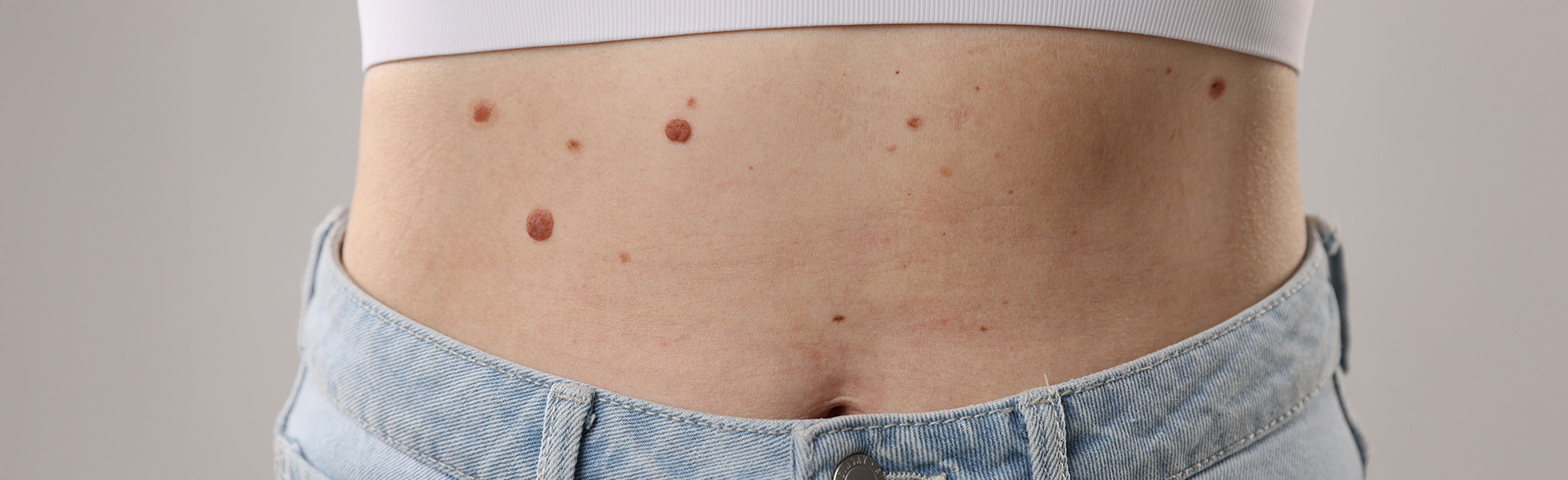

A Doctor’s certificate for a Skin Cancer Check must be provided prior to any pigmented or suspicious lesion removal – particularly for any growing, changing, bleeding, or asymmetrical lesion.
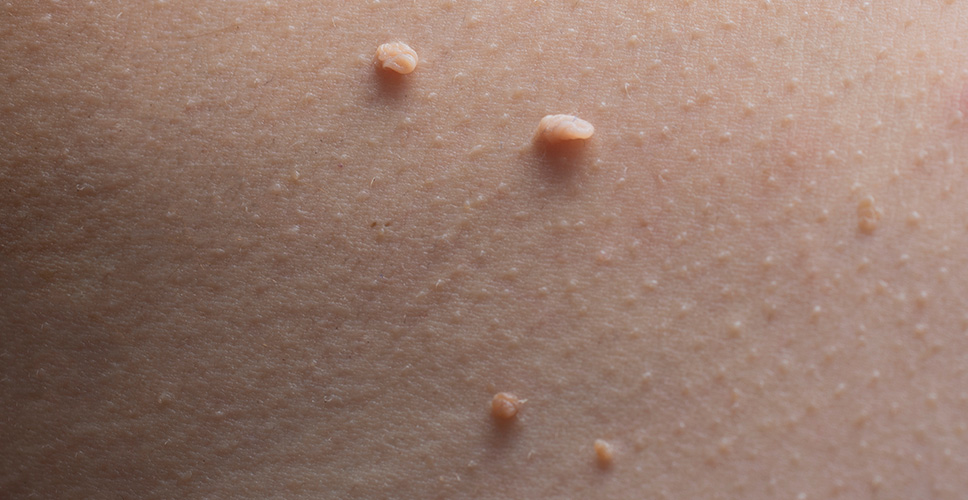
Small, soft, flesh-coloured to darkening growths hanging from the skin on a thin stalk, commonly appearing on the neck, underarms, and eyelids.
Cause: Repeated friction in skin folds – more common in those with genetic predisposition, obesity, insulin resistance, or hormonal changes such as pregnancy.
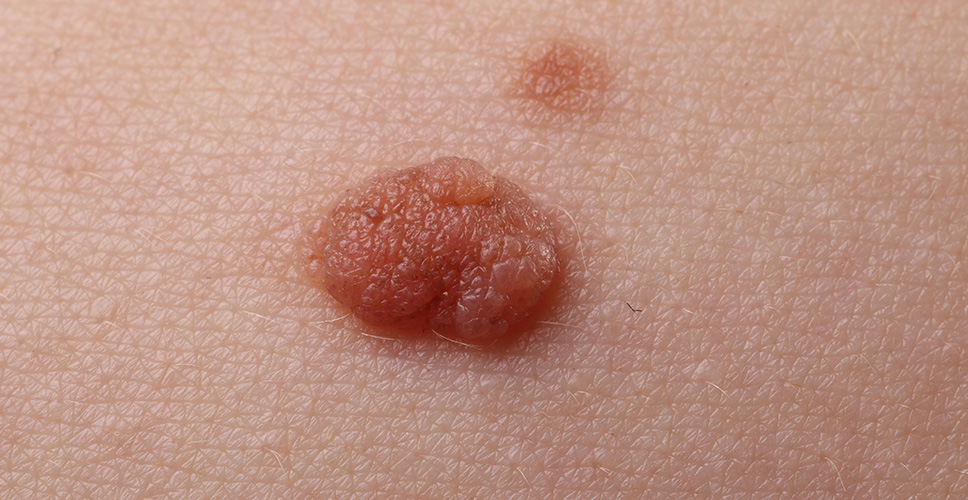
Pigmented growths ranging from flat to raised, presenting anywhere on the body as junctional (flat), compound (slightly raised), or intradermal (raised, skin-coloured) moles.
Cause: Genetics and cumulative UV exposure – most developing in childhood and early adulthood, with UV increasing their number over time.
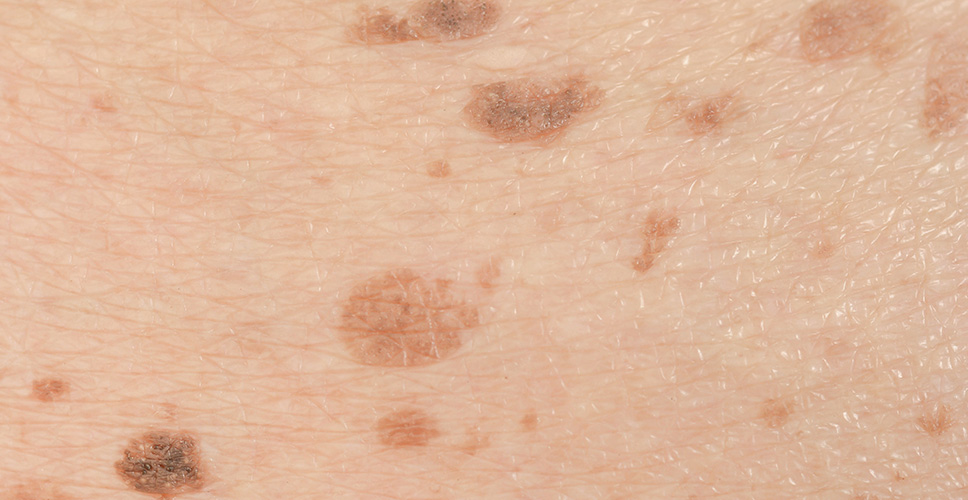
Waxy, stuck-on growths with a rough surface, ranging from skin-coloured to dark brown or black, common in adults over 40 on the face, chest and back.
Cause: Natural ageing, cumulative UV exposure, and genetic predisposition – a family history significantly increases the likelihood of multiple lesions.
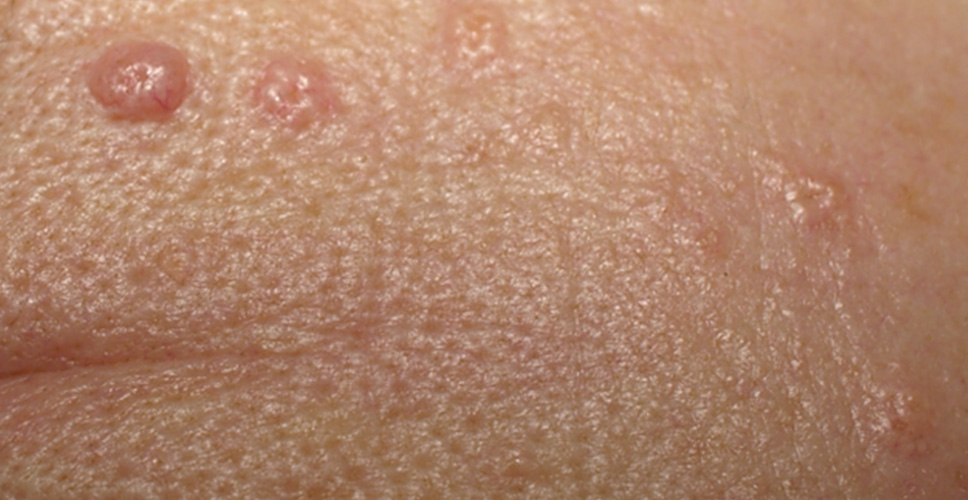
Small, yellowish, donut-shaped bumps with a central depression, commonly on the nose, cheeks, and forehead, most prevalent in adults with oily skin.
Cause: Natural ageing, UV exposure, androgen hormones, and genetic predisposition to sebaceous gland overactivity.
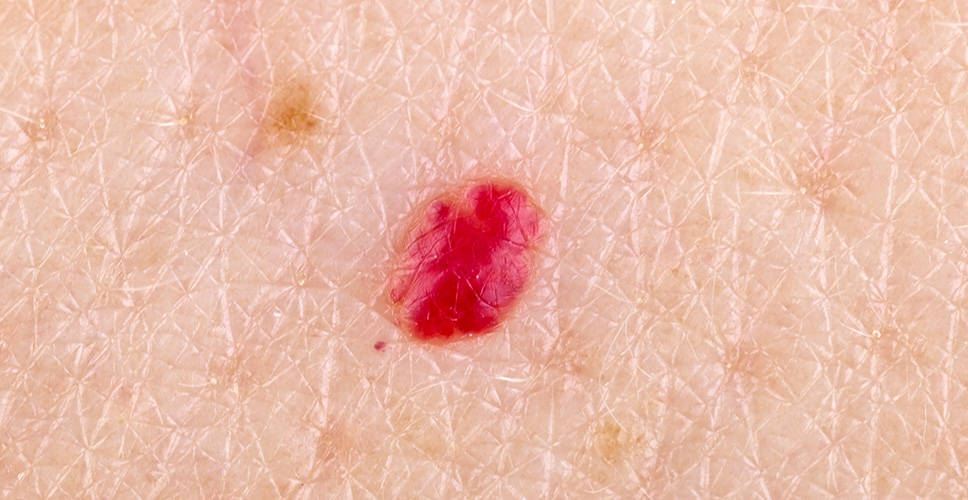
Cherry angiomas (image) are small, bright red, dome-shaped spots on the trunk, arms, and legs. Spider angiomas present as a central red spot with radiating vessels resembling spider legs, common on the face, neck, and chest.
Cause: Cherry angiomas – natural ageing, genetics, UV exposure, and skin trauma. Spider angiomas – hormonal fluctuations during pregnancy or liver dysfunction, genetics, and UV exposure.
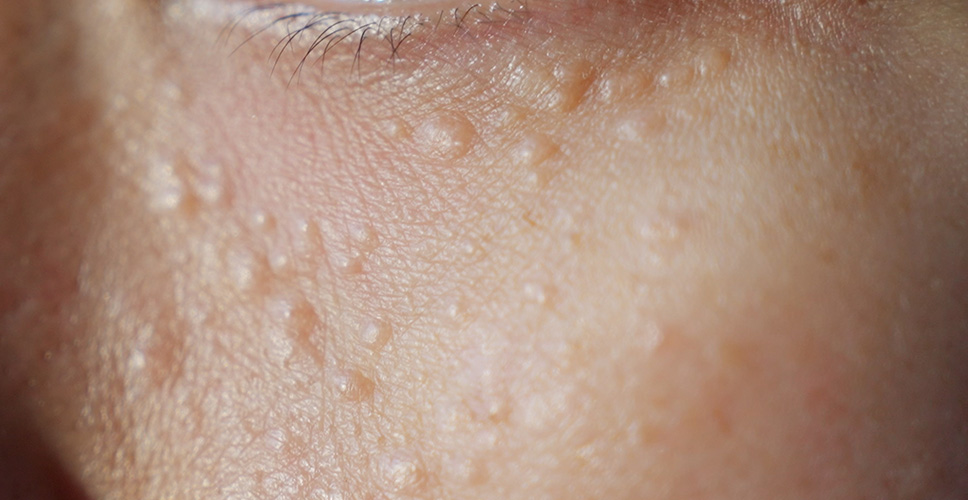
Small, flesh-coloured to yellowish growths arising from eccrine sweat glands, appearing in clusters under the eyes and on the cheeks, most common in women.
Cause: Genetics – with a strong association in individuals with Down syndrome – and hormonal fluctuations, particularly oestrogen.


⚠️Skincare ingredients do not remove existing benign skin lesions and growths, but rather support skin health, reduce rate of skin ageing, slow lesion or growth progression, and address associated concerns such as inflammation, excess sebum, and skin discolouration. If lesion or growth is present and in need of a cosmetic removal, it requires a professional removal treatment.
| INGREDIENT & ACTION | Reduces Inflammation | Antioxidant Protection | Regulates Cell Growth | Promotes Cell Turnover | Balances Sebum | Strengthens Skin Barrier |
|---|---|---|---|---|---|---|
| Retinoids* (Retinol, Retinal, Retinoic Acid) | ++ | + | +++ | +++ | ++ | + |
| L-Ascorbic Acid (Vitamin C) | ++ | +++ | + | – | – | – |
| Niacinamide (Vitamin B3) | ++ | ++ | + | + | ++ | +++ |
| Lactic & Mandelic Acid (AHAs) | + | ++ | + | +++ | – | ++ |
| Grading: +++ Strong action ++ Moderate action + Mild action − Not applicable *Topical retinoids range in strength and delivery system – prescription-strength retinoic acid delivers faster results but carries a higher irritation potential. |


