Cellulite

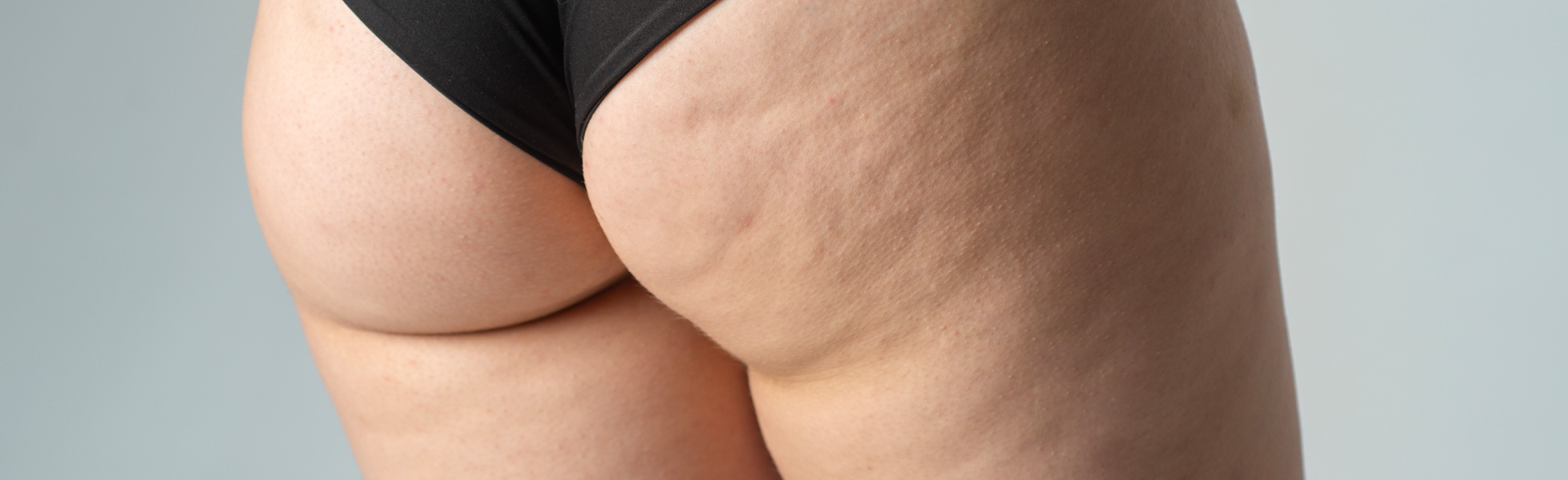
Cellulite is a common and normal skin feature for most females, presenting as varying degrees of uneven skin surface and dimpling, typically on the thighs, buttocks, and hips. It is experienced by an estimated 80–90% of women after puberty regardless of body weight and is far less common in men.
Cellulite

What is Cellulite?

Cellulite

What is cellulite - stretch marks and cellulite explained

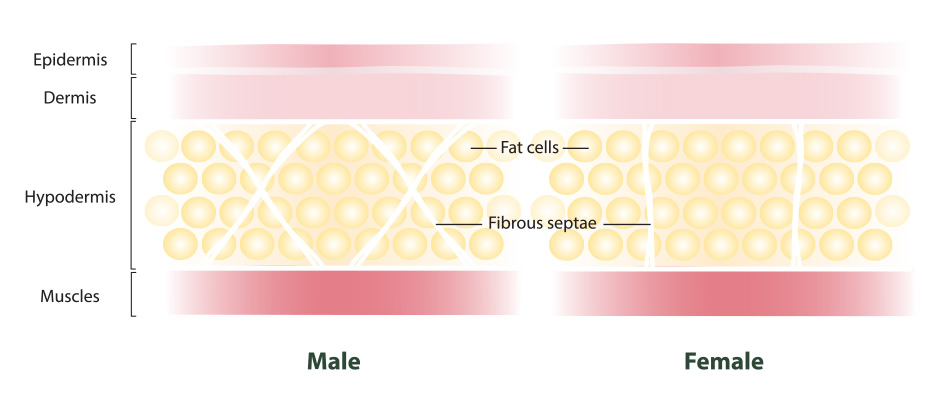
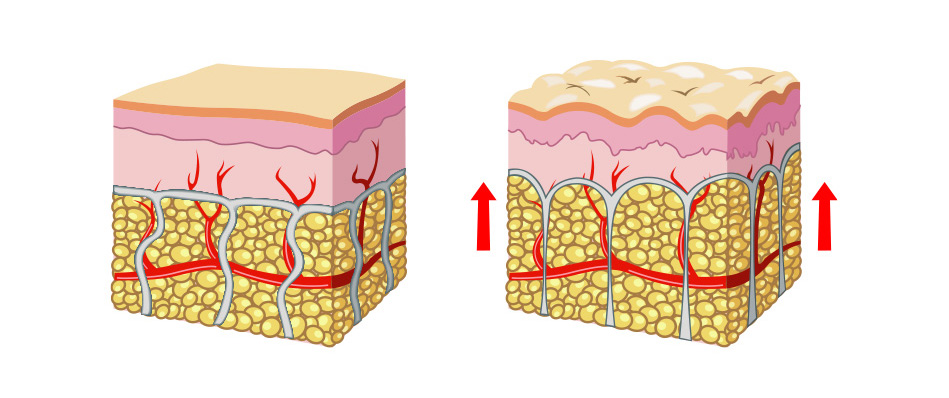
Cellulite is a common and normal skin feature for most females, presenting as varying degrees of uneven skin surface and dimpling, typically on the thighs, buttocks, and hips. In women, the connective tissue bands, which separate fat compartments beneath the skin, run vertically, allowing fat to push upward between them and create dimpling – while in men these bands run diagonally, distributing pressure evenly and preventing the same effect. It is experienced by an estimated 80–90% of women after puberty regardless of body weight and is far less common in men.
Cellulite - Anova Skin Clinic
Stretch Mark Image - Anova Skin Clinic
  • Hormones – rising oestrogen during puberty redistributes fat to the thighs and buttocks and alters connective tissue organisation beneath the skin; fluctuating oestrogen during pregnancy impairs microcirculation and weakens the connective tissue bands beneath the skin; declining oestrogen during perimenopause thins the skin and reduces connective tissue support – all intensifying cellulite dimpling.
  • Genetics – a very strong predictor of cellulite development, determining skin circulation, fat distribution patterns, and connective tissue structure – a family history significantly increases susceptibility regardless of body weight.
  • Natural Ageing – declining collagen and skin thinning with age lead to loss of skin firmness, while the connective tissue bands anchoring the skin become increasingly rigid and pull the skin surface downward – deepening cellulite dimpling even with stable fat volume.
  • Sedentary Lifestyle & Diet – reduced physical activity impairs lymphatic drainage and circulation, promotes fluid retention and fat accumulation, and accelerates muscle loss beneath the skin – reducing structural support and worsening cellulite. A diet high in sodium and refined carbohydrates can further promote fluid retention and fat storage, compounding the effects of inactivity in those predisposed.

How To Minimise and Manage Cellulite?

Skin Sagging Weight Nutrition - Anova Skin Clinic

HEALTHY WEIGHT & DIET

  • Maintaining a healthy weight reduces fat volume pushing upward through connective tissue bands and chronic inflammation that stiffens and tightens those bands – both contributing to reduced cellulite appearance and smoother skin.
  • A diet rich in whole foods and low in sodium, refined sugars, and processed foods may further reduce fluid retention and support connective tissue integrity.
Stretch Mark Weight Management - Anova Skin Clinic

REGULAR EXERCISE

  • Cardiovascular and resistance exercise improves skin circulation, lymphatic drainage and reduces fat volume beneath the skin, while building muscle tone that creates a firmer base – which may minimise cellulite appearance.
Stretch Mark Skin Massage - Anova Skin Clinic

SKIN MASSAGE & SKINCARE

  • Regular massage of cellulite-prone areas improves skin circulation and lymphatic drainage, temporarily reducing fluid retention beneath the skin while enhancing the penetration of topical actives – caffeine and retinoids, when correctly formulated for skin penetration, may further support modest improvement in cellulite appearance through improved circulation and gradual dermal thickening.
  • In moderate to severe cellulite, results vary considerably and may be limited.

What Skincare Ingredients Help with Cellulite?

⚠️Topical skincare cannot eliminate cellulite – rather, active ingredients can support skin health through improved circulation, collagen stimulation and reduced skin inflammation.

INGREDIENT & ACTIONStimulates CollagenImproves CirculationReduces Inflammation
Caffeine*++++++
Retinoids* (Retinol, Retinal, Retinoic Acid)++++++
Grading: +++ Strong action ++ Moderate action + Mild action
*Topical formulations must penetrate to the dermis and subcutaneous tissue where cellulite develops – not all formulations achieve the depth required for meaningful effect.