Stretch Marks

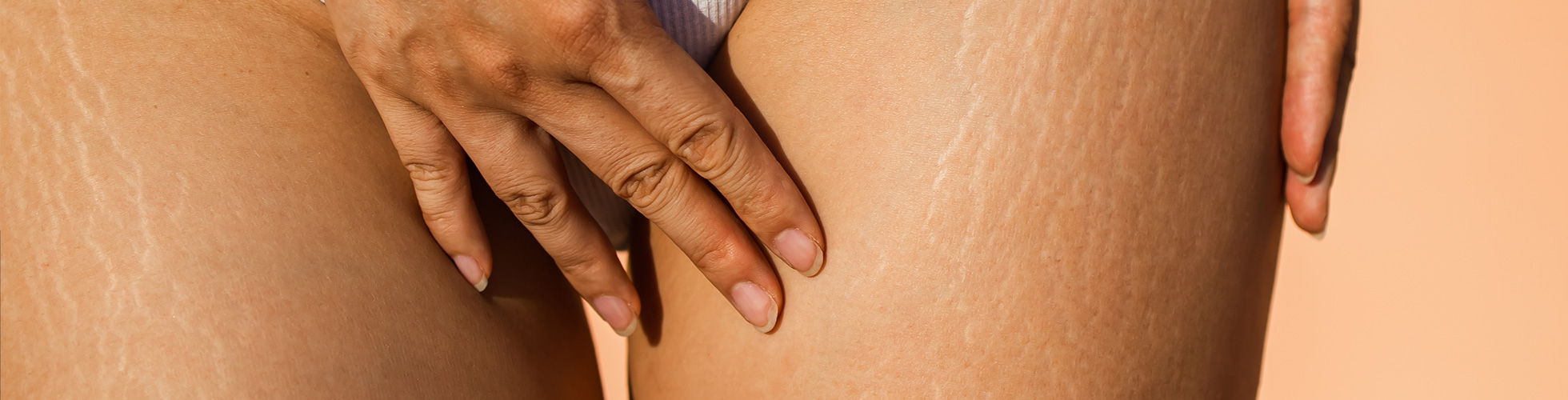
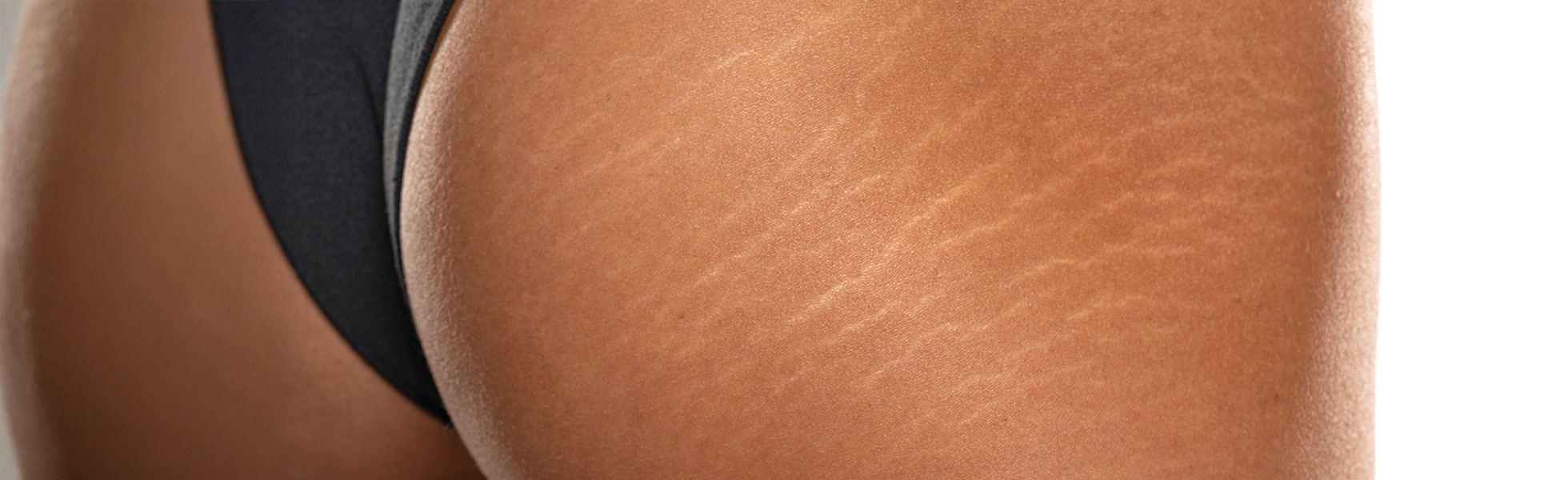
Stretch marks, or striae distensae, are a form of dermal scarring characterised by skin tears, appearing as parallel streaks on the skin. They initially present as raised, red or purple marks (striae rubrae) before gradually flattening and fading to white over time (striae albae). Common sites include the abdomen, thighs and breasts.
Stretch Marks

What Are Stretch Marks?

Stretch Marks or Striae Distensae

Stretch marks striae distensae on skin

Stretch marks, or striae distensae, are a form of dermal scarring characterised by skin tears, appearing as parallel streaks on the skin. They initially present as raised, red or purple marks (striae rubrae) before gradually flattening and fading to white over time (striae albae). Common sites include the abdomen, thighs, breasts, buttocks, hips, and upper arms.

  • Rapid Skin Stretching – the most consistent cause across all stretch mark sites, occurring when skin is stretched faster than its collagen and elastin can accommodate – particularly during pregnancy, adolescent growth spurts, rapid weight gain, and rapid muscle gain from resistance training.
  • Hormones – elevated cortisol suppresses fibroblast activity, reducing collagen and elastin production and thinning the skin – this occurs during pregnancy, puberty, and conditions such as Cushing’s syndrome. Altered oestrogen levels also affect collagen remodelling and may reduce the skin’s structural resilience, further increasing susceptibility to tearing alongside physical stretching.
  • Genetics – genetic predisposition determines baseline skin elasticity and collagen density, influencing how readily the skin tears when stretched – a family history of stretch marks is one of the strongest predictors of individual susceptibility.
  • Corticosteroids – prolonged use of corticosteroid creams or medications suppresses fibroblast activity in the same way elevated cortisol does, reducing collagen and elastin production and thinning the skin – significantly increasing stretch mark risk even without the mechanical trigger of rapid stretching.

How To Prevent or Minimise Stretch Marks?

Stretch Mark Weight Management - Anova Skin Clinic

WEIGHT MANAGEMENT

  • Healthy management of body fat and progressive, controlled muscle gain during resistance training reduces the intensity of skin stretching and lowers the risk of stretch marks – particularly in those with a genetic predisposition.
  • How quickly the skin is stretched matters as much as how much – gradual, steady changes give the skin more time to adapt, while rapid changes in body composition are most likely to result in stretch marks.
Summary Hyperpigmentation SPF 50 - Anova Skin Clinic

SKINCARE & MASSAGE

  • Regular massage helps ensure consistent application and absorption of topical ingredients into areas prone to stretching, supporting skin pliability during periods of rapid growth.
  • Keeping skin well moisturised with emollients maintains skin barrier function, while active ingredients such as Retinoids, L-Ascorbic Acid (Vitamin C) and Centella Asiatica (Cica), can support collagen and elastin production and reduce inflammation – see skincare ingredient guide below for a full breakdown.
  • ⚠️The evidence for preventing stretch marks through skincare is limited, and no ingredient can reliably prevent them in those who are genetically predisposed.
Stretch Mark Skin Massage - Anova Skin Clinic

SUN PROTECTION

  • Stretch mark tissue lacks the melanocytes that provide natural UV protection, making it more vulnerable to sun damage than surrounding skin.
  • Protecting affected or at-risk areas with broad-spectrum SPF 50+ where exposed, or UPF 50+ clothing where practical, reduces UV damage and prevents surrounding skin from darkening – helping to minimise stretch mark visibility.

What Skincare Ingredients Help With Stretch Marks?

⚠️While no treatment can fully remove stretch marks – a permanent form of scarring – the right skincare ingredients can support skin health and reduce their appearance over time.

INGREDIENT & ACTION Stimulates CollagenStimulates Elastin Reduces Skin InflammationAntioxidant Protection
Retinoids* (Retinol, Retinal, Retinoic Acid)++++++++
L-Ascorbic Acid
(Vitamin C)
+++++++++
Centella Asiatica (Cica)+++++++++
Grading: +++Strong action ++Moderate action + Mild action
*Topical retinoids range in strength and delivery system – prescription-strength retinoic acid delivers faster results but carries a higher irritation potential. Retinoids are contraindicated during pregnancy – consult a medical doctor before use.