Scarring is a natural outcome of the skin's healing response to deep or intense injury reaching the dermis and deeper tissue with normal skin being permanently replaced by fibrotic scar tissue. Causes include skin injury and trauma from acne, burns, lacerations, surgical wounds, and skin infections, with genetics determining the type and severity of the resulting scar. Common forms of scars include flat normotrophic scars, depressed atrophic scars, and raised hypertrophic and keloid scars. Acne scarring and other types of scars can be improved at Anova Skin Clinic in Floreat, Perth, using advanced MLA laser and microneedling with growth factors solution.
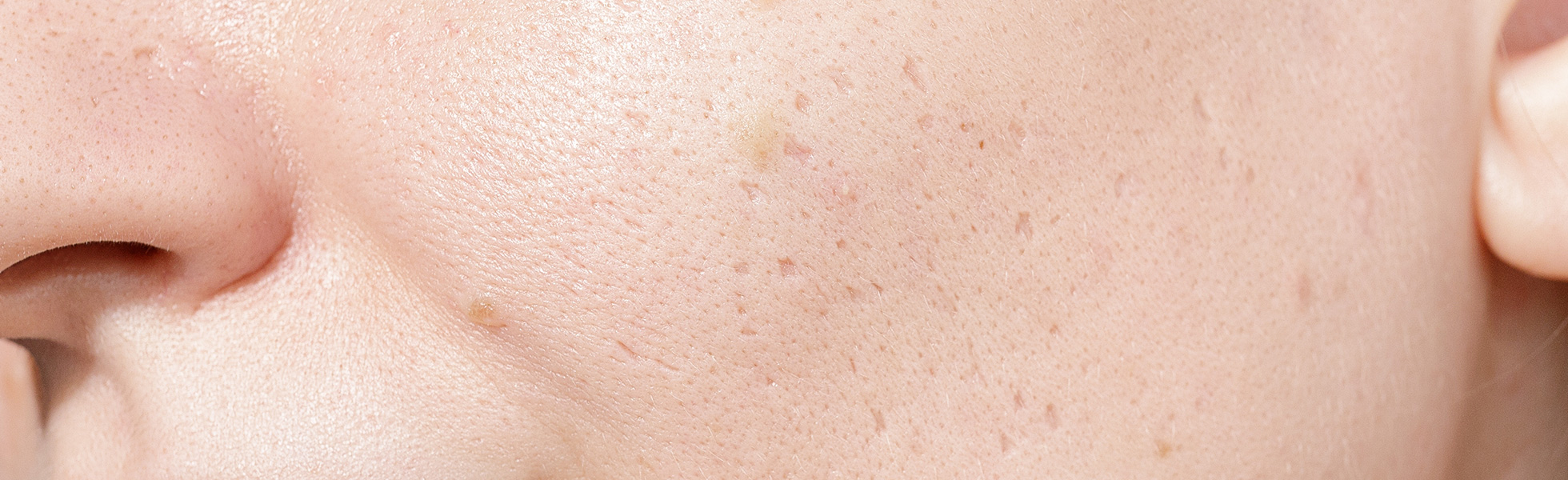

Scarring is permanent – treatments can improve their appearance but cannot fully remove them. Keloid scars carry high recurrence risk and medical doctor assessment is highly recommended prior to any scar treatment.
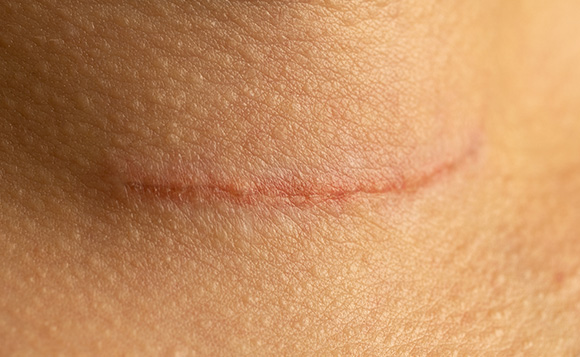
Normotrophic scars sit level with the surrounding skin, appearing slightly discoloured, as fibrotic scar tissue replaces normal skin. Commonly resulting from well-healed surgical scars, minor and superficial wounds and acne lesions, or subtle chickenpox marks.
Cause: Skin trauma with balanced inflammation and healing – influenced by genetics.
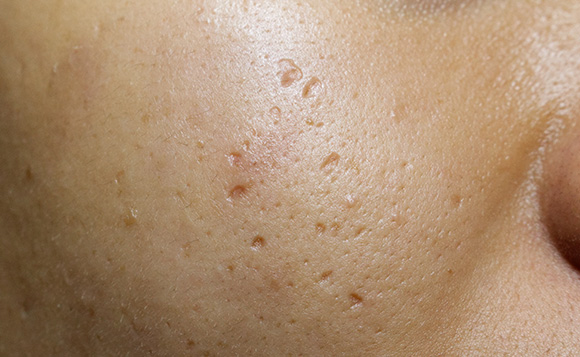
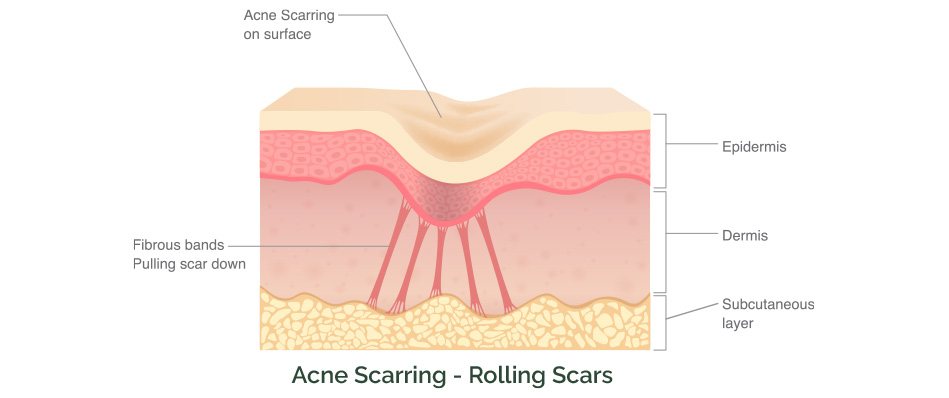
Atrophic scars appear as visible depressions below the skin surface – asice pick and boxcar scars from insufficient repair tissue or rolling scars where fibrous bands pull the skin downward. Typically resulting from chickenpox or acne lesions – particularly cysts and nodules, and more severe papules and pustules.
Cause: Skin trauma with severe or prolonged inflammation that disrupts balanced healing – influenced by genetics.
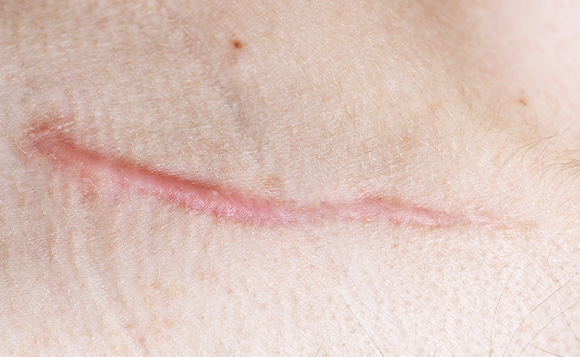
Hypertrophic and keloid scars rise above the skin surface as firm, thickened fibrotic tissue. Hypertrophic scars remain within the original wound boundary while keloid scars extend beyond it, often becoming itchy or painful – both more common in darker Fitzpatrick skins.
Cause: Skin trauma with severe or prolonged inflammation that disrupts balanced healing – influenced by genetics and skin tension.


⚠️While no treatment can fully remove scarring – the right skincare ingredients can support skin health and reduce their appearance over time.
| INGREDIENT & ACTION | Reduces Inflammation | Stimulates Collagen | Promotes Cell Turnover | Antioxidant Protection | Strengthens Skin Barrier | Flattens Raised Scars |
|---|---|---|---|---|---|---|
| Retinoids* (Retinol, Retinal, Retinoic Acid) | ++ | +++ | +++ | + | + | – |
| L-Ascorbic Acid (Vitamin C) | ++ | +++ | – | +++ | – | – |
| Niacinamide (Vitamin B3) | – | + | + | ++ | +++ | – |
| Lactic & Mandelic Acid (AHAs) | + | + | +++ | ++ | ++ | – |
| Centella Asiatica (Cica) | +++ | ++ | – | ++ | +++ | – |
| Silicone Gel or Sheet** | ++ | – | – | – | ++ | +++ |
| Grading: +++ Strong action ++ Moderate action + Mild action – Not applicable *Topical retinoids range in strength & delivery system – prescription-strength retinoic acid delivers faster results but carries a higher irritation potential. **Silicone gel or sheet is most effective for hypertrophic and keloid scars and should be applied consistently for a minimum of 8–12 weeks for meaningful scar improvement. |
| INGREDIENT & ACTION | Reduces Inflammation | Stimulates Collagen | Promotes Cell Turnover | Antioxidant Protection | Strengthens Skin Barrier |
|---|---|---|---|---|---|
| Bakuchiol | ++ | ++ | ++ | +++ | ++ |
| Resveratrol | +++ | + | – | +++ | – |
| Gluconolactone & Lactobionic Acid (PHAs) | + | – | ++ | +++ | +++ |
| Tranexamic Acid | ++ | – | – | + | + |
| Glabridin (from Liquorice Root Extract) | +++ | + | – | +++ | – |
| Grading: +++ Strong action ++ Moderate action + Mild action – Not applicable |


