Redness is a persistent or recurrent skin concern presenting as dilated or dysfunctional superficial blood vessels, commonly affecting the face, neck, and sun-exposed areas. Causes range from UV exposure, genetics, and natural ageing to hormonal fluctuations, skin trauma, and environmental and lifestyle triggers. Common forms include diffuse redness, visibly dilated capillaries, post-injury redness called post-inflammatory erythema, and rosacea.
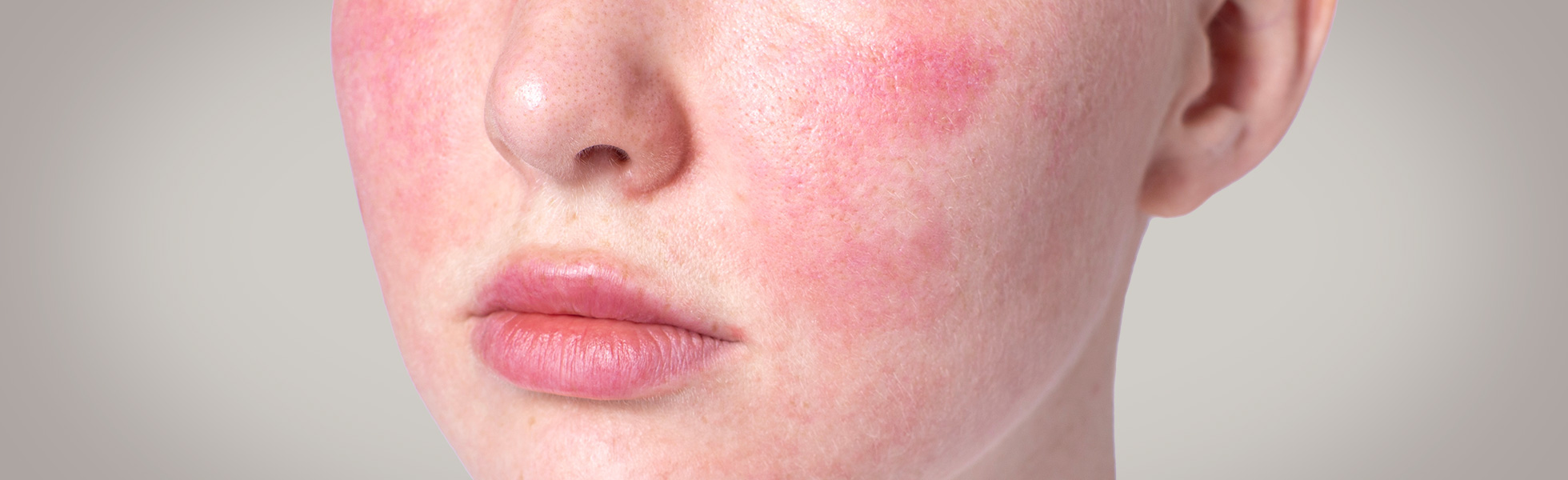

If redness is severe and chronic, medical doctor visit is recommended prior to treatments to rule out underlying conditions such as lupus.
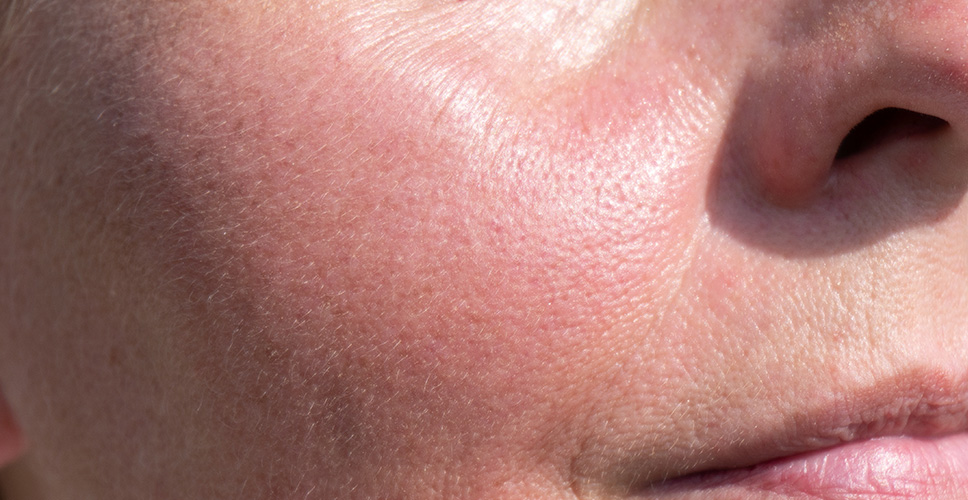
Persistent or flushing redness from vascular dilation with no visible surface blood vessels, most commonly affecting nose, cheeks, chin and forehead.
Causes: UV radiation, natural ageing, genetics, hormones, skin trauma, environmental and lifestyle triggers.
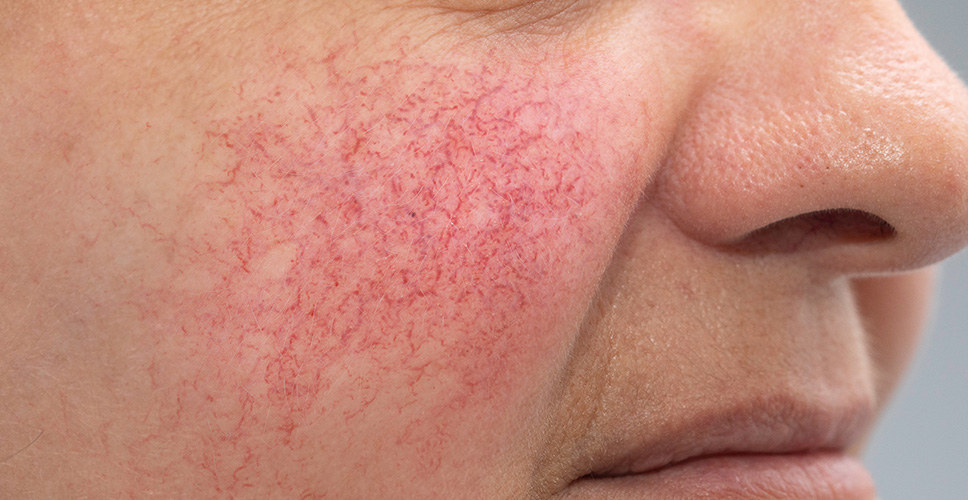
Permanently dilated and visible surface blood vessels called capillaries commonly on the nose, cheeks, chin, chest and legs.
Causes: UV radiation, natural ageing, genetics, hormones and skin trauma.
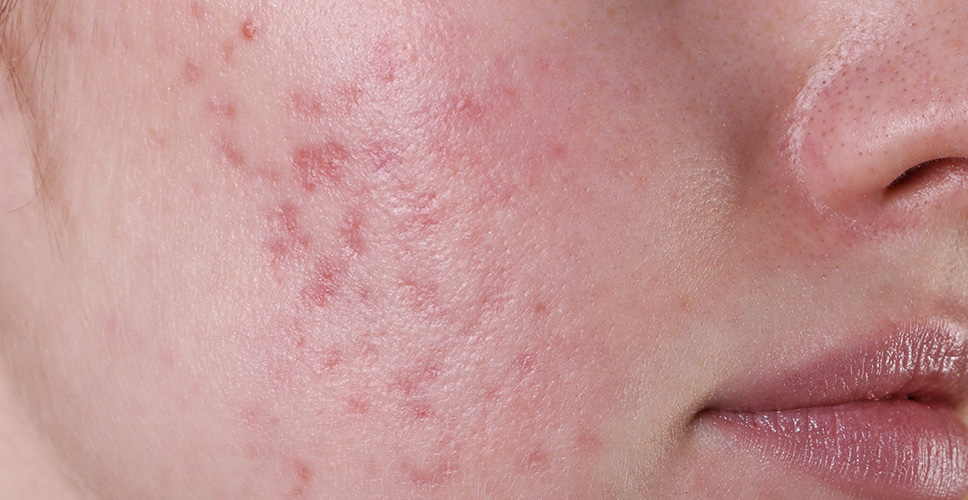
Skin redness in areas of previous injury or inflammation, such as after pimple, skin picking, burn, or cut, which typically fades over time but can be prolonged.
Cause: Skin trauma with prolonged inflammation.
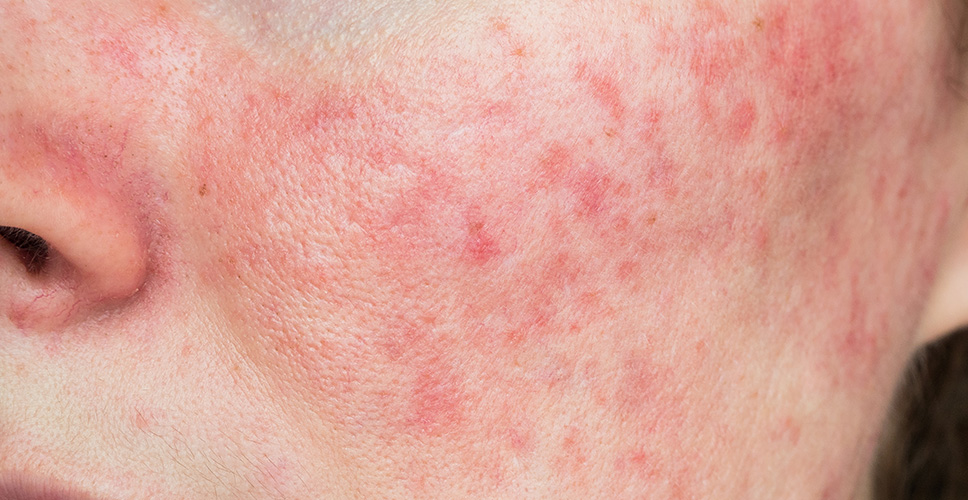
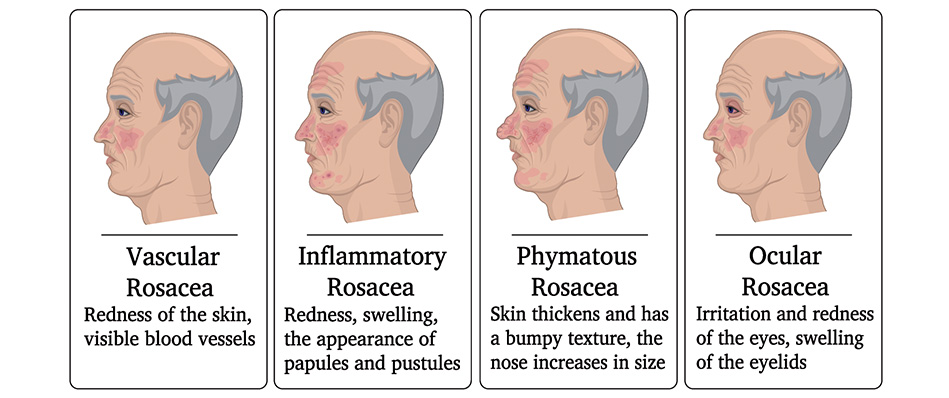
Chronic inflammatory skin condition causing redness, flushing, visible capillaries, and acne-like breakouts on the central face.
Causes: Genetics, UV exposure, hormones and environmental or lifestyle triggers like heat, alcohol and stress.


| INGREDIENT & ACTION | Reduces Skin Inflammation | Antioxidant Protection | Reduces Vascular Reactivity | Reduces Vascular Dilation | Strengthens Vessel Walls | Strengthens Skin Barrier |
|---|---|---|---|---|---|---|
| Niacinamide (Vitamin B3) | +++ | ++ | +++ | ++ | – | +++ |
| Azelaic Acid | +++ | ++ | +++ | ++ | – | – |
| Tranexamic Acid | +++ | ++ | +++ | ++ | – | – |
| Centella Asiatica (Cica) | +++ | ++ | ++ | ++ | +++ | +++ |
| L-Ascorbic Acid (Vitamin C) | ++ | +++ | ++ | ++ | +++ | – |
| Green Tea Extract (EGCG) | ++ | +++ | ++ | ++ | – | – |
| Retinoids* (Retinol, Retinal, Retinoic Acid) | ++ | + | ++ | ++ | ++ | – |
| Bisabolol (Chamomile Extract) | ++ | ++ | ++ | ++ | – | – |
| Grading: +++ Strong action ++ Moderate action + Mild action – Not applicable *Topical retinoids range in strength and delivery system – retinoic acid, a prescription retinoid, delivers faster results but carries a higher irritation potential. |
| INGREDIENT & ACTION | Reduces Skin Inflammation | Antioxidant Protection | Reduces Vascular Reactivity | Reduces Vascular Dilation | Strengthens Vessel Walls | Strengthens Skin Barrier |
|---|---|---|---|---|---|---|
| Resveratrol | +++ | +++ | ++ | ++ | + | – |
| Glabridin (from Liquorice Root Extract) | +++ | +++ | ++ | ++ | – | – |
| Silymarin (Milk Thistle) | +++ | +++ | ++ | + | + | – |
| Bakuchiol | ++ | +++ | + | + | + | ++ |
| Beta-Glucan | ++ | + | ++ | + | – | +++ |
| Gluconolactone & Lactobionic Acid (PHAs) | ++ | + | ++ | + | – | +++ |


